
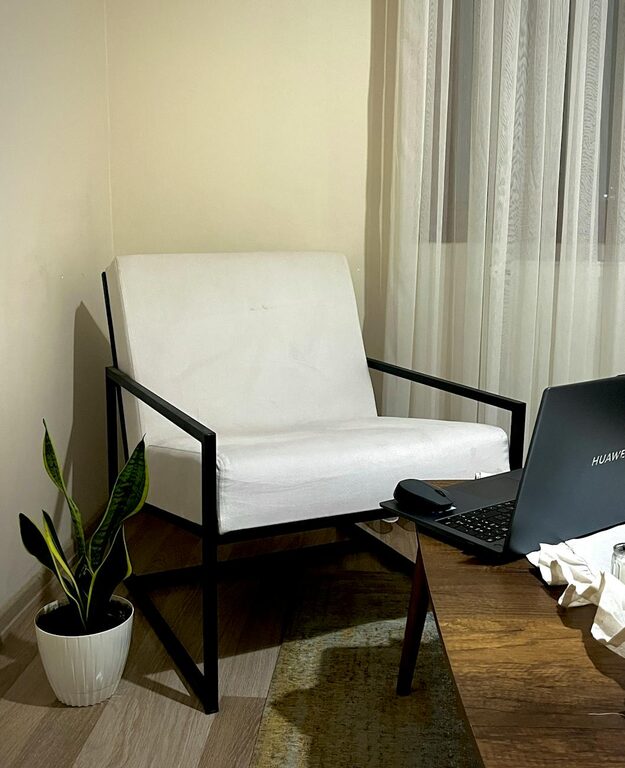
Creating a relaxing home workspace is essential for maintaining focus, reducing stress, and boosting your overall productivity. Whether you work remotely full-time or occasionally take work home, a well-designed environment can make a big difference in how you feel and perform. In this guide, we’ll walk you through practical steps to build a comfortable and calming workspace at home.
Why a Relaxing Workspace Matters
Your workspace directly affects your mood and efficiency. An uncomfortable or cluttered area can cause distractions and fatigue, while a thoughtfully arranged space promotes calmness and concentration. When your home office feels inviting and organized, you’ll find it easier to stay motivated and enjoy your workday.
Choose the Right Spot
Finding the perfect location is the first step in setting up your workspace.
– Natural Light: Aim for a spot near a window to take advantage of daylight. Natural light enhances your mood and reduces eye strain.
– Quiet Area: Select a quiet corner where you can work without frequent interruptions or noise.
– Comfortable Temperature: Avoid overly hot or cold areas, as discomfort can distract you.
If space is limited, consider folding desks or multifunctional furniture that can be tucked away after work hours.
Select Comfortable and Supportive Furniture
Investing in furniture designed for comfort supports your physical health and focus.
– Ergonomic Chair: Choose a chair with adjustable height and good lumbar support to promote proper posture.
– Desk Height: Your desk should allow for a comfortable typing position with elbows bent at roughly 90 degrees.
– Footrest: If your feet don’t rest flat on the floor, a footrest can improve circulation and posture.
Remember, comfort is key to reducing strain and preventing fatigue during long work sessions.
Organize for a Clear Mind
Clutter can increase stress and make it difficult to focus. Keeping your workspace organized helps create a calm atmosphere.
– Declutter Regularly: Remove unnecessary items and keep only essential tools on your desk.
– Storage Solutions: Use shelves, drawers, or bins to store paperwork, office supplies, and gadgets.
– Cable Management: Use clips or sleeves to tidy up cords, creating a cleaner look and reducing distractions.
An organized space helps your mind stay clear, making it easier to prioritize tasks.
Add Calming Elements
Incorporating soothing features transforms your workspace into a peaceful retreat.
Use Soothing Colors
Choose paint, wallpaper, or decorations in soft, neutral tones like light blues, greens, or pale grays to create a sense of tranquility.
Bring in Natural Elements
Plants not only beautify your space but also improve air quality and provide a connection to nature, which can reduce stress.
Personalize Thoughtfully
Display a few personal items like photos or inspiring artwork, but avoid overcrowding. These touches make your workspace welcoming without causing clutter.
Optimize Lighting
Proper lighting reduces eye strain and improves focus.
– Task Lighting: A desk lamp with adjustable brightness directs light where you need it most.
– Avoid Glare: Position screens away from windows or bright light sources to prevent glare.
– Soft Lighting: Use warm, soft bulbs to create a cozy atmosphere when natural light is insufficient.
Manage Noise for Focus
Background noise can be distracting, so it’s important to control sound levels.
– Noise-Canceling Headphones: These can block out disruptions, especially in busy households.
– Soothing Sounds: Consider white noise machines or nature sound playlists to create a relaxing auditory backdrop.
– Soundproofing: Adding rugs, curtains, or acoustic panels can help absorb sound and reduce echo.
Establish a Routine and Boundaries
Your physical space is only part of the equation. Setting routines and boundaries enhances relaxation and productivity.
– Work Hours: Define clear start and end times to separate work from personal life.
– Breaks: Take regular breaks to stretch, hydrate, and rest your eyes.
– Communication: Let household members know your work schedule to minimize interruptions.
Keep Essential Tools Handy
Having everything you need within reach minimizes frustration and keeps your workflow smooth.
– Organize Supplies: Pens, notebooks, chargers, and other essentials should be easy to access.
– Digital Organization: Maintain a clean desktop and organized digital files to reduce stress.
Maintain Your Workspace
Once your relaxing workspace is set up, upkeep is important.
– End-of-Day Tidy: Spend a few minutes each day tidying your desk.
– Weekly Deep Clean: Dust surfaces and clean your equipment regularly.
– Reevaluate: Periodically reassess your setup and make adjustments as needed.
Final Thoughts
A relaxing home workspace is within your reach with simple adjustments and mindful choices. Focus on comfort, organization, and calming elements to create a space that supports your well-being and productivity. By designing a thoughtful environment, you’ll feel more motivated and less stressed, making your work-from-home experience more enjoyable.
—
Creating a peaceful area dedicated to work doesn’t have to be complicated. Even small changes like adding a plant or improving lighting can make a noticeable difference. Start today, and watch how a relaxing workspace positively impacts your day-to-day work life.