
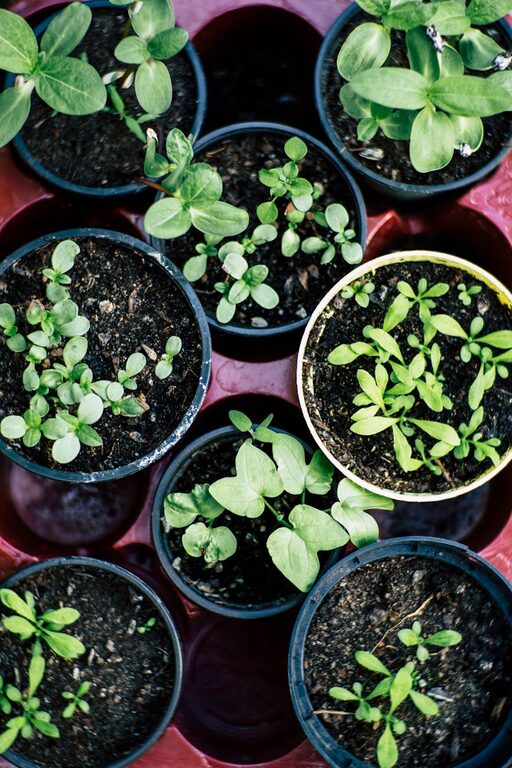
Starting a small herb garden indoors is a rewarding and practical way to bring fresh flavors and greenery into your home. Whether you have a spacious kitchen or just a sunny windowsill, growing herbs indoors is easier than you might think. This guide will walk you through everything you need to know—from choosing herbs to caring for your new garden.
Why Grow Herbs Indoors?
Indoor herb gardens offer several benefits:
– Freshness: Snip herbs whenever you need them for cooking.
– Convenience: Have your favorite herbs at arm’s reach without trips to the store.
– Aesthetic: Add natural beauty and a pleasant aroma to your living space.
– Year-round growth: Unlike outdoor gardens, indoor herbs can thrive throughout the year.
Choosing the Right Herbs for Indoor Growing
Some herbs adapt better to indoor conditions due to their light and space needs. Here are some popular options ideal for beginners:
– Basil: Great for sunny spots; needs warmth and plenty of light.
– Parsley: Tolerates moderate light; grows well indoors.
– Mint: Very hardy; prefers indirect sunlight but watch for spreading.
– Chives: Compact and easy; needs moderate to bright light.
– Thyme: Prefers sunny windowsills; drought-tolerant.
– Cilantro: Likes bright light; best grown in cooler indoor temperatures.
– Oregano: Needs full sun and well-draining soil.
Selecting Containers and Soil
Containers
Choose pots with good drainage holes to avoid waterlogged roots. You can use:
– Small terracotta or ceramic pots
– Recycled containers like jars or tins (make sure to add drainage)
– Special indoor planter boxes or pots with self-watering features
Aim for containers that are at least 4-6 inches deep to give roots enough space.
Soil
Use a high-quality potting mix designed for indoor plants. Herb soil should be light, well-draining, and nutrient-rich. Avoid garden soil, as it may not drain well indoors.
Finding the Perfect Spot for Your Herbs
Most herbs need at least 6 hours of bright, indirect sunlight daily. A sunny windowsill facing south or west is ideal. If natural light is limited, consider using a grow light to supplement.
Tips for placement:
– Rotate plants weekly so all sides get enough light.
– Keep herbs away from drafts and heating vents.
– Group plants together to create a microenvironment with higher humidity.
Planting Your Indoor Herb Garden
Starting from Seeds or Seedlings
– Seeds: Follow the packet instructions for planting depth and spacing. Start seeds in small trays or pots. Keep soil moist until germination.
– Seedlings: Transplant young herb plants into your chosen containers with fresh potting soil.
Steps to Plant
- Fill your containers with soil, leaving about an inch at the top.
- Make holes for seeds or seedlings according to instructions.
- Place seeds or seedlings gently and cover with soil.
- Water lightly but thoroughly.
- Label your herbs to keep track.
Caring for Your Indoor Herb Garden
Watering
– Keep soil slightly moist but not waterlogged.
– Water when the top inch of soil feels dry.
– Use room temperature water to avoid shocking roots.
Feeding
– Use a balanced, water-soluble fertilizer once a month.
– Follow label instructions carefully—overfeeding can harm herbs.
Pruning and Harvesting
– Regularly pinch off leaves to encourage bushy growth.
– Harvest leaves in the morning when their flavor is strongest.
– Avoid removing more than one-third of the plant at a time.
Pests and Problems
– Keep an eye out for common pests like aphids or spider mites.
– Wipe leaves gently to remove dust and pests.
– Ensure good air circulation to prevent mold and mildew.
Troubleshooting Common Issues
| Problem | Possible Cause | Solution |
|———————-|———————————-|——————————-|
| Leggy plants | Insufficient light | Add grow lights or move plants to a sunnier spot |
| Yellowing leaves | Overwatering or poor drainage | Adjust watering and check pot drainage |
| Wilting | Underwatering or root rot | Check soil moisture; repot if needed |
| Slow growth | Nutrient deficiency or low light | Fertilize and improve lighting |
Tips for Success
– Start with a few herbs you know you’ll use regularly.
– Keep a small notebook to track watering and care.
– Be patient; some herbs take a couple of weeks to establish.
– Experiment with different herbs as you gain confidence.
Final Thoughts
Growing an indoor herb garden can transform your cooking and brighten your home. With a little planning and care, you’ll enjoy fresh herbs year-round without the need for a big garden space. Whether you’re a seasoned gardener or a beginner, starting small is the key to success.
Happy gardening and happy cooking!
—
If you enjoyed this guide, consider subscribing for more tips on gardening and indoor plants.