
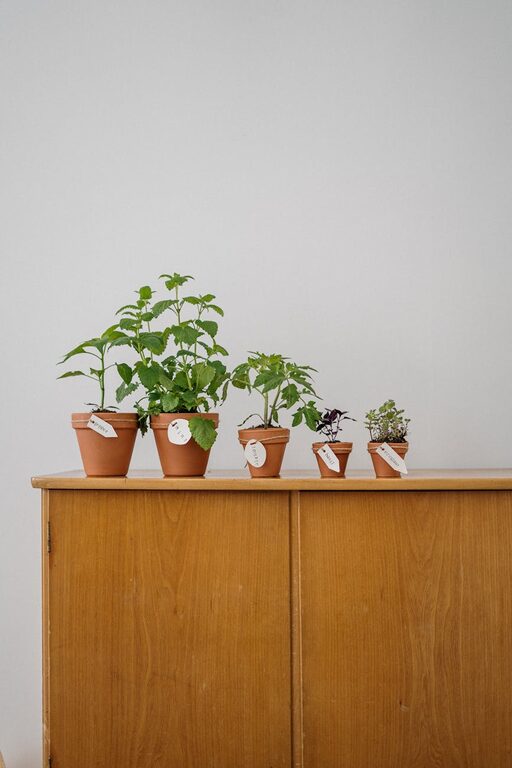
Starting a small herb garden indoors is a fun and rewarding way to add fresh flavors to your meals and brighten up your living space. Whether you have a sunny windowsill or a small corner in your kitchen, growing herbs indoors can be simple and enjoyable. This guide will walk you through everything you need to know to get started, including choosing the right herbs, selecting containers, providing adequate light, and caring for your plants.
Why Grow Herbs Indoors?
Growing herbs indoors has many advantages. It allows you to have fresh herbs at your fingertips regardless of the season or weather. It can also improve the air quality in your home and boost your mood by bringing a touch of nature inside. Plus, indoor herb gardening is an excellent hobby that requires little space or initial investment.
Choosing the Right Herbs for Indoor Gardening
Not all herbs thrive indoors equally well. Some do better in indoor conditions than others. Here are some popular herbs that are well-suited for indoor growth:
– Basil: Requires plenty of sunlight and warm temperatures. Great for cooking.
– Parsley: Tolerates moderate light and grows well in pots.
– Mint: Grows vigorously and can spread rapidly, so a separate pot is best.
– Chives: Easy to grow and tolerant of varied light conditions.
– Thyme: Prefers bright light and good drainage.
– Cilantro: Prefers cooler temperatures and moderate light.
When choosing herbs, consider which ones you use most often in cooking to make your indoor garden both practical and enjoyable.
Selecting Containers and Soil
Containers
You can use a variety of containers for your herb garden, such as:
– Terracotta or ceramic pots with drainage holes
– Recycled containers like old mugs or tin cans (ensure drainage)
– Window boxes or small planters designed for herbs
Drainage is crucial to prevent root rot, so always choose containers with holes at the bottom or add a layer of small stones to improve drainage.
Soil
Use a high-quality potting mix designed for indoor plants or herbs. Avoid using garden soil, which can be too heavy and may contain pests. A mix that drains well yet retains moisture is ideal.
Providing Adequate Light
Most herbs need at least 6 hours of sunlight daily. Locate your herb garden near a south or west-facing window where it receives bright, indirect light. If natural light is limited, consider using grow lights designed for indoor plants. LED grow lights are energy-efficient and effective.
Tips for lighting:
– Rotate plants regularly to ensure even growth.
– Avoid placing plants where they get direct, scorching midday sun, which can damage leaves.
– If leaves start to yellow or become leggy, it may be a sign of insufficient light.
Watering and Feeding Your Herbs
Watering
Herbs prefer consistently moist soil, but overwatering can lead to root problems. Here’s how to water them properly:
– Check soil moisture daily by feeling the top inch of soil.
– Water when the top inch feels dry.
– Water thoroughly until excess drains out the pot’s bottom.
– Avoid leaving pots standing in water.
Feeding
Indoor herbs benefit from occasional feeding:
– Use a balanced, water-soluble fertilizer diluted to half strength every 4-6 weeks during the growing season.
– Avoid overfeeding, which can cause excessive leaf growth with less flavor.
Caring for Your Indoor Herb Garden
Pruning and Harvesting
Regular pruning encourages bushier growth and prevents herbs from flowering too soon:
– Pinch off the tips of stems regularly.
– Harvest leaves as needed but avoid cutting more than one-third of the plant at a time.
– Remove any yellow or dead leaves immediately.
Pest Control
Indoor herb gardens can attract pests like aphids or spider mites occasionally:
– Inspect plants regularly for signs of pests.
– Wipe leaves with a damp cloth or gently spray with water.
– Use mild insecticidal soap or neem oil if necessary, following the product instructions.
Managing Humidity and Airflow
Indoor environments can be dry, especially in winter. Increase humidity around your herbs by:
– Grouping plants close together.
– Placing a shallow tray of water near the plants.
– Using a humidifier if needed.
Ensure good airflow to reduce mold and mildew but avoid placing herbs in drafty areas.
Common Challenges and Solutions
| Challenge | Solution |
|——————–|——————————————-|
| Leggy, weak growth | Increase light; prune regularly |
| Yellowing leaves | Check watering habits; avoid overwatering |
| Pest infestations | Regularly inspect and clean leaves; use mild pest control |
| Poor flavor | Avoid overfeeding; harvest regularly |
Tips for Success
– Start with a few herbs and gradually expand your collection.
– Label your pots to remember which herbs you’re growing.
– Experiment with different herbs to find your favorites.
– Keep a small journal to track watering, feeding, and harvesting.
Conclusion
Starting a small herb garden indoors is a wonderful way to connect with nature and enhance your cooking with fresh ingredients. With the right materials, a bit of care, and patience, your indoor herb garden will flourish, providing you with fresh herbs and a touch of green all year round. Give it a try and enjoy the many benefits indoor gardening has to offer!
—
Happy gardening! If you found this guide helpful, feel free to share your indoor herb garden stories and tips in the comments below.